
Why Car Insurance Is Mandatory in India: Legal and Practical Reasons
- Insurance
Ronnie K. Deberry
- 0
- 9 minutes read
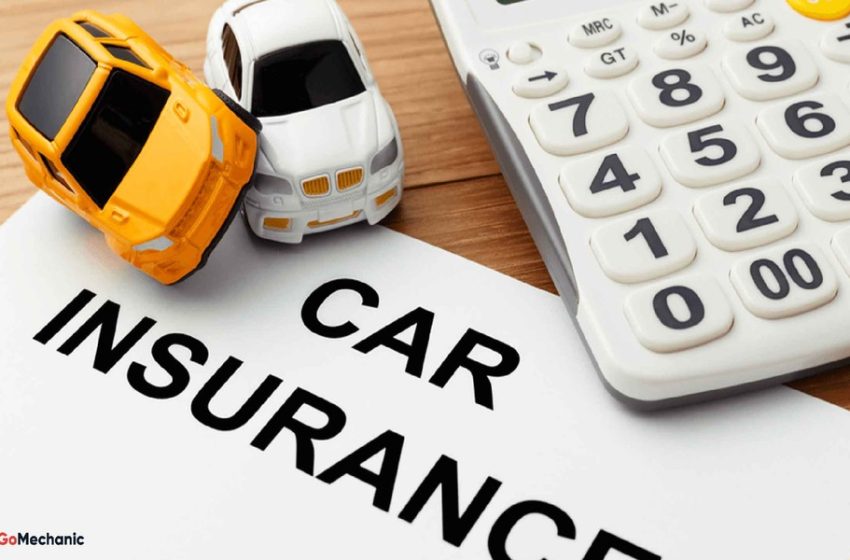
In India, car insurance is mandatory because the law requires at least third-party car insurance before you drive on public roads. It is not just a rule on paper; it also protects you from paying huge amounts from your own pocket if you injure someone, damage another vehicle, or hit public property.Under the Motor Vehicles Act, the minimum legal cover is meant to protect other people affected by an accident. For example, even a small crash at a traffic signal can lead to repair bills, medical costs, and legal claims that are far higher than most drivers expect.
Mandatory cover keeps you legal, but it may not fully protect your own car.
To make this clearer, let’s look at what the law requires, what this mandatory cover actually includes, what happens if you drive uninsured, common misunderstandings, and what to check before buying or policy renewal.
The law requires minimum cover before you drive on public roads
If you drive a car on a public road in India, the law requires you to have at least third-party car insurance.This rule comes from the Motor Vehicles Act, and insurers issue such policies under IRDAI guidelines. In simple terms, minimum cover is not mainly for your own car; it exists to protect other people if your vehicle causes injury, death, or damage to someone else’s property.
The legal minimum is third-party cover, not zero cover.
Think of a basic accident at a signal: your car hits a scooter, the rider is injured, and the scooter needs repairs. Without a valid policy, you may have to pay those costs yourself, apart from facing a driving without insurance penalty.A common misunderstanding is that insurance is optional if you drive carefully or only for short local trips. It is not. If the car is used on public roads, the legal requirement applies before you start driving, which is why checking active coverage should come first.
Car insurance does more than satisfy a rule
Legal compliance is only one reason car insurance matters; the bigger reason is financial protection when real-world driving goes wrong.Indian roads are unpredictable, even for careful drivers. A small misjudgment in traffic, a bike cutting across, or a low-speed bump in a parking lane can quickly turn into repair costs, medical expenses, and arguments over who pays.Picture a driver in Bengaluru nudging the rear bumper of another car at a signal. What looked minor can still lead to denting charges, a clinic visit for whiplash, lost time, and possible legal follow-up if the dispute grows.
One minor accident can cost far more than most drivers expect.
third-party car insurance helps pay for damage or injury caused to others, which is the legal minimum. But it will not usually cover damage to your own vehicle, while broader cover can. That is why buying a policy should be seen as risk planning, not just rule-following.
Driving uninsured can lead to penalties, stress, and bigger financial risk
Driving without valid insurance is not a minor paperwork lapse; it can quickly become a legal and financial problem. Under the Motor Vehicles Act, you can face a driving without insurance penalty, and the hassle does not stop at the challan. If police checks, accident reporting, or document verification show a lapsed policy, your compliance trouble grows fast.The bigger risk appears after an accident. If you hit a bike, damage another car, or injure someone, you may have to pay repair costs, medical bills, or compensation from your own savings because there is no active third-party car insurance to respond.
One missed renewal can turn a small mistake into a large personal expense.
That is why keeping your policy active is not just about following the law; it protects your money and your peace of mind.
But wait: mandatory does not mean full protection
Mandatory insurance is not the same as full protection. In India, the legal minimum is third-party car insurance, and that mainly covers damage or injury caused to someone else, not every loss you suffer.That is where many drivers get caught off guard. If your parked car is stolen, damaged in a flood, or badly hit in a wall-side scrape, a basic third-party policy may not pay for repairs to your own vehicle.
Legal compliance keeps you on the road; wider cover protects your wallet.
The difference is easier to see at a glance:
- third-party car insurance: Injury, death, or property damage caused to others
- comprehensive car insurance: Third-party liability plus broader protection that usually includes own-damage cover
Think of it as a choice between minimum compliance and broader peace of mind. A comprehensive car insurance plan usually adds own-damage cover, and that can matter a lot if your car is new, financed, or used daily.Before buying, ask one simple question: if my car gets damaged tomorrow, who pays?
How to choose the right cover for your car and usage
Once you understand the gap between legal minimum cover and broader protection, the next step is choosing a policy that fits how you actually use your car.The right policy depends on your car’s age, where you drive, loan rules, and how much repair risk you can absorb.Use this quick filter before buying:
- Legal minimum: third-party car insurance is mandatory for public roads.
- Own car value: if the car is new or financed, broader cover usually makes more sense.
- Driving pattern: daily city traffic raises accident chances more than occasional highway use.
- Parking reality: street parking increases theft, scratches, and flood exposure.
- Budget: compare premium against likely repair bills, not just the cheapest quote.
A three-year-old hatchback used in Mumbai traffic may need more protection than a rarely driven small-town car. Choose cover based on likely loss, not just compliance.
When you renew car insurance, check these details first
Choosing the right cover is only half the job. Keeping that cover active matters just as much, especially at policy renewal.Before you renew car insurance, review the policy details, not just the premium. A quick check helps you avoid gaps in cover, wrong information, and lost savings at policy renewal.
Renew before the expiry date so your car stays legally insured without a break.
Check these points first:
- Expiry date and whether the policy has already lapsed
- Coverage type: third-party only or comprehensive
- Add-ons you actually use, like zero depreciation or roadside help
- Claim history from the last year
- No-claim bonus status and whether a claim affects it
- Name, mobile number, address, car registration, and fuel type
If a policy lapses even by a day, you may face legal and financial risk.
Conclusion
Car insurance is mandatory in India because the law requires at least third-party protection, but the smarter reason is to protect your own money when something goes wrong.A legal policy helps you stay compliant, yet that minimum cover may not pay for damage to your own car after a crash, flood, or theft. That is where the gap shows up between “insured” and “properly covered.”
Minimum legal cover keeps you road-legal; adequate cover keeps you financially safer.
- confirm policy validity
- review IDV, add-ons, and exclusions
- match cover to your actual usage
- renew or upgrade if needed
That one review can prevent a costly mistake later.

