
Currencies Explained: The Foundation Behind Every Forex Trade
- Finance
John C. Cox
- 0
- 6 minutes read
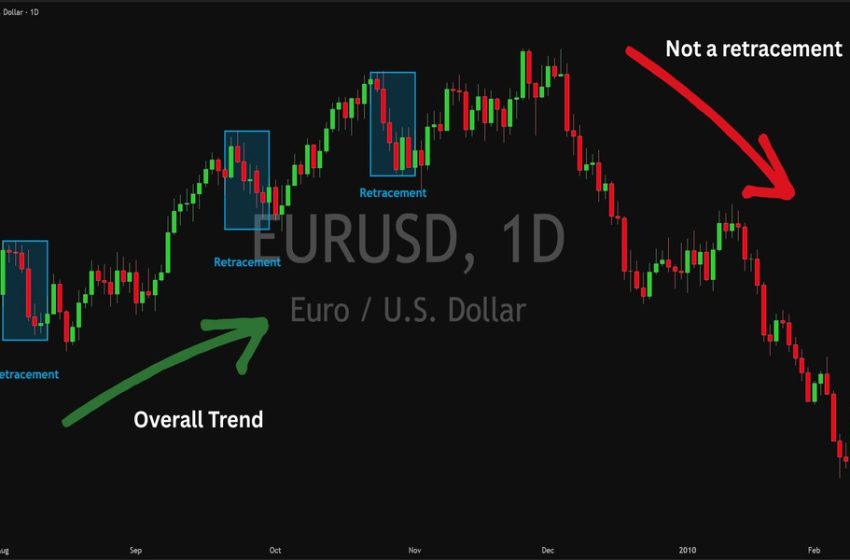
The foreign exchange market is often associated with fast-moving charts, economic headlines, and global financial institutions. Behind every trade, however, lies a far more fundamental concept: currency. Whether someone is exchanging money for travel, importing goods, or participating in international investment markets, currencies play a central role in how the global economy functions.
For new forex traders, understanding currencies is not just a starting point. It is the foundation that shapes every decision made in the market. Currency values reflect economic confidence, political stability, trade relationships, and central bank policies. Learning how currencies work helps traders move beyond speculation and develop a more informed perspective on market behaviour.
Understanding the Purpose of Currency
A currency is a system of money used within a country or economic region to facilitate trade, investment, and everyday transactions. Governments and central banks issue currencies to create a standardised medium of exchange that supports economic activity. Without currencies, global commerce would become far more complicated and inefficient.
In forex trading, currencies are always traded in pairs because the value of one currency is measured against another. For example, when traders buy the euro against the US dollar, they are effectively predicting that the euro will strengthen relative to the dollar. This relationship-driven structure is what makes forex trading unique compared to stock or commodity markets.
Many beginner traders spend time studying charts before fully understanding what is currency and why its value changes over time. Currency prices are influenced by inflation, interest rates, economic growth, employment data, and geopolitical developments. Institutions such as the Federal Reserve, the European Central Bank, and the Bank of England have major influence over currency strength through monetary policy decisions that markets closely monitor.
Why Currency Values Constantly Change
Unlike fixed assets, currencies fluctuate continuously because economies themselves are constantly evolving. A country with strong economic growth and stable inflation often sees increased investor confidence, which can strengthen its currency. On the other hand, political uncertainty or weak economic performance may reduce demand for a currency and weaken its value in global markets.
Interest rates are among the most important drivers of currency movements. Central banks raise or lower rates to manage inflation and economic activity, and these decisions directly affect how attractive a currency appears to investors. Higher interest rates can increase foreign investment inflows because investors seek better returns on deposits and bonds tied to that currency.
Global events also influence exchange rates in ways that can surprise inexperienced traders. Elections, trade negotiations, wars, energy supply disruptions, and financial crises can create sudden volatility. Experienced market participants understand that forex trading is not simply about technical analysis. It also requires awareness of how real-world developments shape investor sentiment and global capital flows.
The Role of Major Currency Pairs in Forex Trading
The forex market is dominated by a group of heavily traded currencies known as major currencies. These include the US dollar, euro, British pound, Japanese yen, Swiss franc, Canadian dollar, Australian dollar, and New Zealand dollar. Because these economies have large financial systems and significant international trade activity, their currencies attract the highest trading volumes worldwide.
Major currency pairs generally offer tighter spreads and greater liquidity, making them attractive for both retail and institutional traders. Pairs such as EUR/USD, GBP/USD, and USD/JPY are closely followed because they respond quickly to economic reports, central bank statements, and global market sentiment. Their liquidity also allows traders to enter and exit positions more efficiently.
Understanding the characteristics of different currency pairs can help traders manage risk more effectively. Some pairs move steadily and predictably, while others experience larger swings due to economic sensitivity or political uncertainty. For example, commodity-linked currencies like the Australian and Canadian dollars are often influenced by resource prices, while safe-haven currencies such as the Swiss franc may strengthen during periods of market stress.
How Economic Indicators Shape Currency Markets
Economic indicators provide valuable insight into the health of an economy and strongly influence currency valuation. Reports covering inflation, employment, consumer spending, manufacturing activity, and gross domestic product are watched closely by traders because they help forecast future monetary policy decisions.
Inflation data is especially important because central banks aim to maintain price stability. If inflation rises too quickly, policymakers may increase interest rates to slow spending and stabilise prices. Financial markets often react immediately to these expectations, causing currencies to strengthen or weaken within minutes of major economic releases.
Employment figures also carry significant weight in the forex market. Strong labour markets typically support consumer spending and economic growth, which can strengthen a currency over time. Institutions such as the International Monetary Fund and major central banks consistently emphasise the importance of economic stability and transparent monetary policy in maintaining confidence within global financial markets.
Conclusion
Currencies are far more than symbols displayed on trading platforms. They represent economic strength, investor confidence, and the financial relationships that connect countries across the globe. Every forex trade is built on the movement of currencies and the countless economic forces that influence their value.
For anyone entering the forex market, understanding currencies provides a stronger foundation for long-term growth and informed decision-making. Traders who take time to learn the fundamentals behind exchange rates are often better prepared to navigate market uncertainty, interpret global events, and approach forex trading with greater confidence and clarity.

